
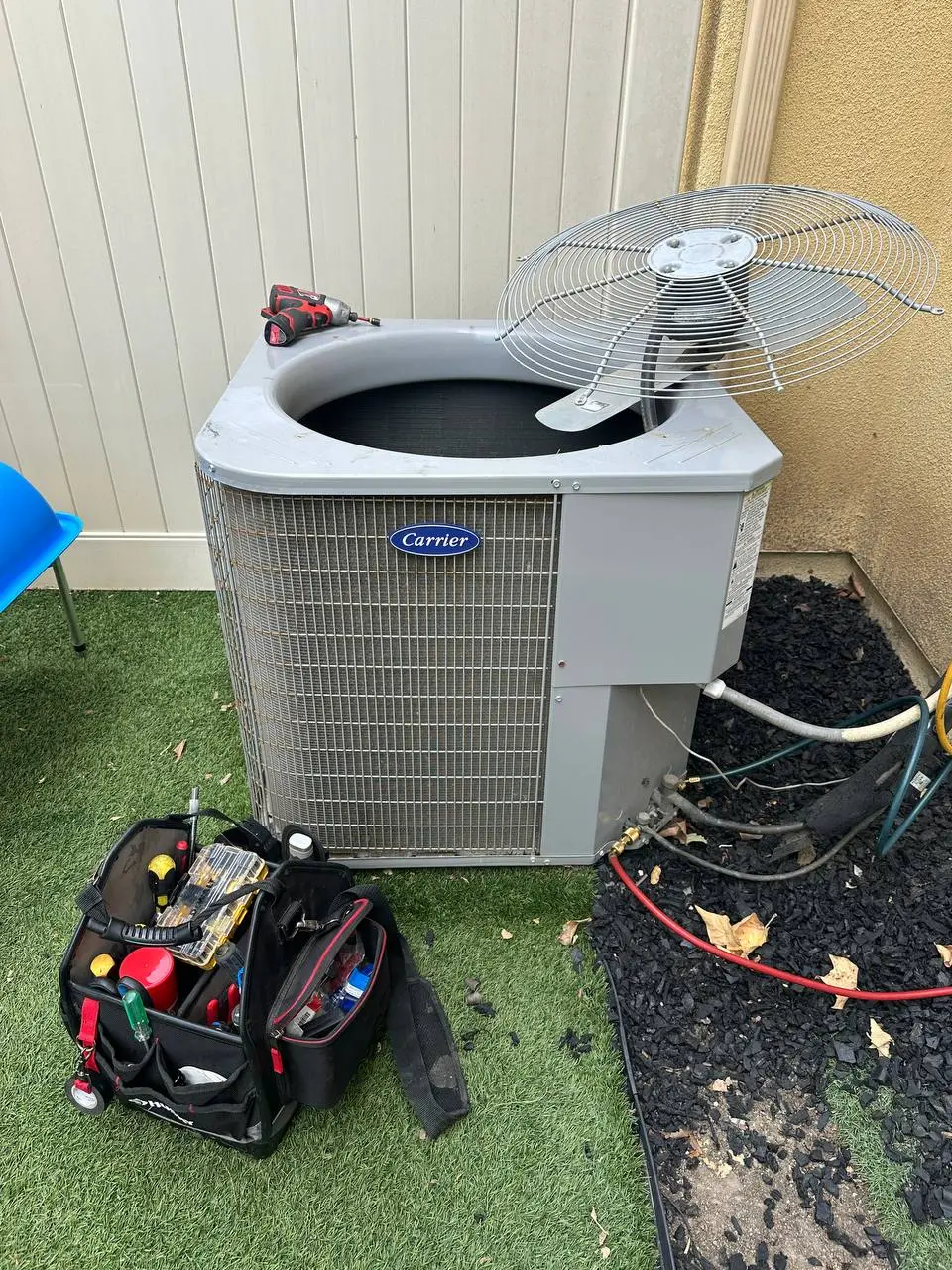
AC Short Cycling
AC Short Cycling: Why Your Air Conditioner Keeps Turning On and Off
Why does my AC keep turning on and off? If your air conditioner kicks on, runs for just a few minutes, then shuts off again — only to repeat the cycle minutes later — you’re dealing with a problem HVAC technicians call AC short cycling. It’s more than just an annoyance. Short cycling drives up your energy bills, prevents your home from cooling evenly, and puts serious wear and tear on your system’s most expensive components.
At Provision Heating & Air Conditioning, we get calls every cooling season from San Diego homeowners asking why their AC won’t stay running. Below, we’ll walk through what short cycling actually is, the most common causes, and how to know when it’s time to call for professional air conditioning repair San Diego.
Normal Cooling Cycle vs. AC Short Cycling
A healthy central air conditioner runs in cycles that typically last 15 to 20 minutes, cooling your home down before shutting off until the temperature climbs again. On a hot San Diego afternoon, that might mean two or three full cycles per hour. Short cycling breaks this pattern entirely — the system turns on and off every two to five minutes without ever completing a full cooling cycle.
This matters because most of the work your AC does — removing humidity, evenly distributing cool air, and stabilizing the temperature throughout your home — happens in the later part of a normal cycle. A system that keeps shutting off early never gets there, which is why short cycling often leaves homes feeling cool but clammy, or cool near the thermostat and warm everywhere else.
6 Common Causes of AC Short Cycling
Short cycling is almost always a symptom of an underlying mechanical, electrical, or sizing issue. Here are the most common culprits we see across San Diego County.
1. An Oversized AC Unit
It sounds counterintuitive, but an air conditioner that’s too big for your home is a frequent cause of short cycling. An oversized unit cools the air near the thermostat very quickly, satisfies the temperature setting, and shuts off — before it has run long enough to properly dehumidify the home or cool rooms farther from the thermostat. This is a common issue with poorly planned AC installations where the unit wasn’t sized to the home’s actual square footage and layout.
The fix: A licensed AC technician needs to perform a proper load calculation. If your unit is significantly oversized, replacement with a correctly sized system is usually the long-term solution.
2. A Dirty or Clogged Air Filter
A clogged air filter restricts airflow across the evaporator coil. Restricted airflow can cause the coil to get too cold and freeze, which trips the system’s safety switches and shuts the unit down early — only for it to restart once things warm back up slightly.
The fix: Check your filter monthly during peak season and replace it every 30 to 90 days. This is one of the easiest and cheapest fixes for short cycling.
3. Low Refrigerant Levels
Refrigerant absorbs heat from your home’s air. When levels drop due to a leak, the evaporator coil can get too cold and ice over, triggering the same protective shutdown described above. You may also notice hissing sounds, ice on the refrigerant lines, or reduced cooling performance alongside the short cycling.
The fix: Refrigerant leaks require EPA-certified technicians to locate, repair, and recharge the system properly. Never attempt to add refrigerant yourself.
4. A Failing Thermostat
If your thermostat is misreading the temperature, poorly located (near a heat source or in direct sunlight, for example), or simply malfunctioning, it can tell your AC to shut off before the home has actually reached the set temperature.
The fix: Try replacing the batteries first. If short cycling continues, the thermostat itself may need to be recalibrated, relocated, or replaced.
5. A Faulty Capacitor or Relay
The capacitor gives your compressor and fan motor the jolt of energy they need to start. A weak or failing capacitor can cause the compressor to start and stall repeatedly, which often presents as short cycling along with humming or clicking noises from the outdoor unit.
The fix: Capacitor replacement is an affordable, quick repair for a licensed technician — but a failing capacitor left unaddressed can eventually damage the compressor itself, turning a small repair into an expensive one.
6. Blocked or Restricted Outdoor Unit
Your outdoor condenser needs airflow around it to release heat properly. Leaves, dirt, overgrown landscaping, or debris pressed up against the unit can cause it to overheat and shut down prematurely as a protective measure.
The fix: Keep at least two feet of clearance around your outdoor unit and have the coils professionally cleaned during a routine AC tune-up.
Why You Shouldn’t Ignore AC Short Cycling
Short cycling doesn’t just mean a less comfortable home — it accelerates wear on your compressor, increases your energy bills, and can leave humidity behind since the system never runs long enough to properly dehumidify the air. Starting a compressor draws a surge of electricity every time, so a system cycling every two or three minutes can use noticeably more power than one running normal 15-to-20-minute cycles. Left unresolved, many of the causes above — especially low refrigerant and a failing capacitor — tend to get worse and more expensive over time, sometimes ending in a full compressor replacement that could have been avoided with an earlier repair.
How to Troubleshoot AC Short Cycling: A Step-by-Step Checklist
Before calling for service, a few quick checks can help narrow down the cause — or confirm that it’s time to bring in a professional:
- Check the air filter. Hold it up to a light. If you can’t see light through it, replace it.
- Inspect the thermostat. Confirm it’s set to “Cool” with the fan on “Auto,” and replace the batteries if the display looks dim or unresponsive.
- Walk around the outdoor unit. Clear away leaves, grass clippings, or anything within two feet of the condenser.
- Listen closely. Humming, clicking, or buzzing from the outdoor unit when it tries to start often points to a capacitor issue.
- Look for ice. Frost or ice on the refrigerant lines or indoor coil is a strong sign of low refrigerant or restricted airflow.
- Time the cycles. If your AC is consistently running for less than 10 minutes at a time, treat it as short cycling rather than normal operation.
DIY Fixes vs. When to Call a Professional
Replacing a filter or clearing debris from around the outdoor unit are safe, simple tasks any homeowner can handle. Everything beyond that — refrigerant, electrical components, thermostat wiring, and system sizing — involves pressurized chemicals or live electrical components and should be left to a licensed technician. If you’ve completed the checklist above and your AC is still short cycling, or if you hear humming, clicking, or hissing from the outdoor unit, turn the system off at the thermostat and call for service before continuing to run it.
Trust Provision Heating & Air Conditioning for AC Repair in San Diego
If you’ve checked your air filter and thermostat settings and your AC is still turning on and off every few minutes, it’s time to bring in a professional. At Provision Heating & Air Conditioning, our CSLB-licensed technicians (License #1125408) diagnose the exact cause of short cycling and provide an honest, upfront repair plan — no guesswork, no overselling.
- $0 diagnostic visit fee with any approved repair
- 24-hour emergency service for AC problems that can’t wait
- 90-day labor and 180-day parts warranty on repairs
- Free estimates on repairs and new installations
Don’t let an air conditioner turning on and off every few minutes turn into a compressor replacement. Call Provision Heating & Air Conditioning at (858) 477-4087 or book your AC repair online — same-day AC repair appointments are available throughout San Diego County, CA.
You can also find us on Google Maps for trusted air conditioning repair San Diego.
Call Us Now
(858) 477-4087Or let us contact you
Use the form to schedule an appointment, or call our heating and cooling specialists to schedule HVAC repairs or request a free installation estimate.